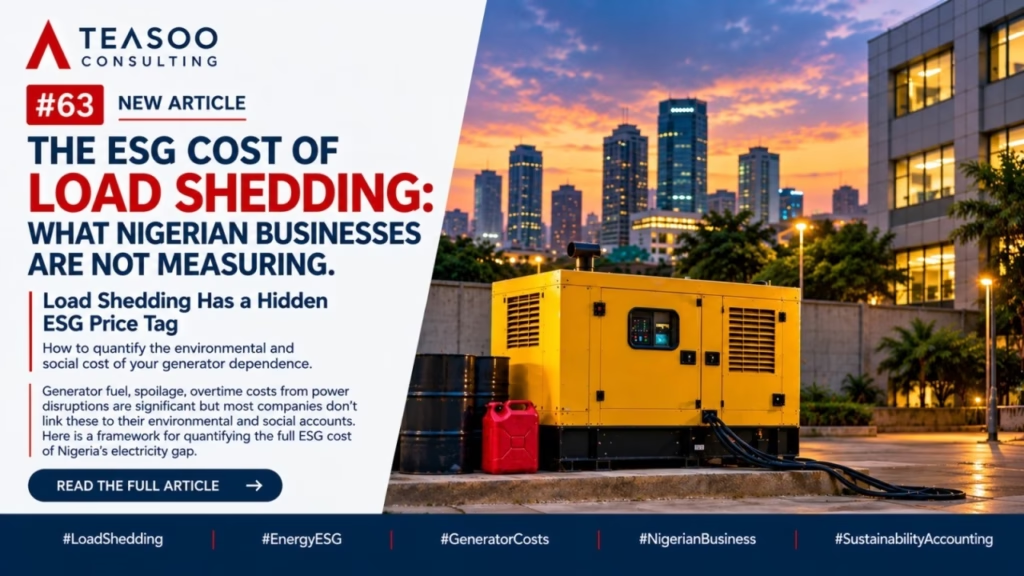
Nigeria’s Energy Transition Is Also a Business Transition
Nigeria’s energy transition is a business transition, affecting costs, competitiveness, ESG, energy reliability, capital access, and inclusion.


Nigeria’s energy transition is a business transition, affecting costs, competitiveness, ESG, energy reliability, capital access, and inclusion.
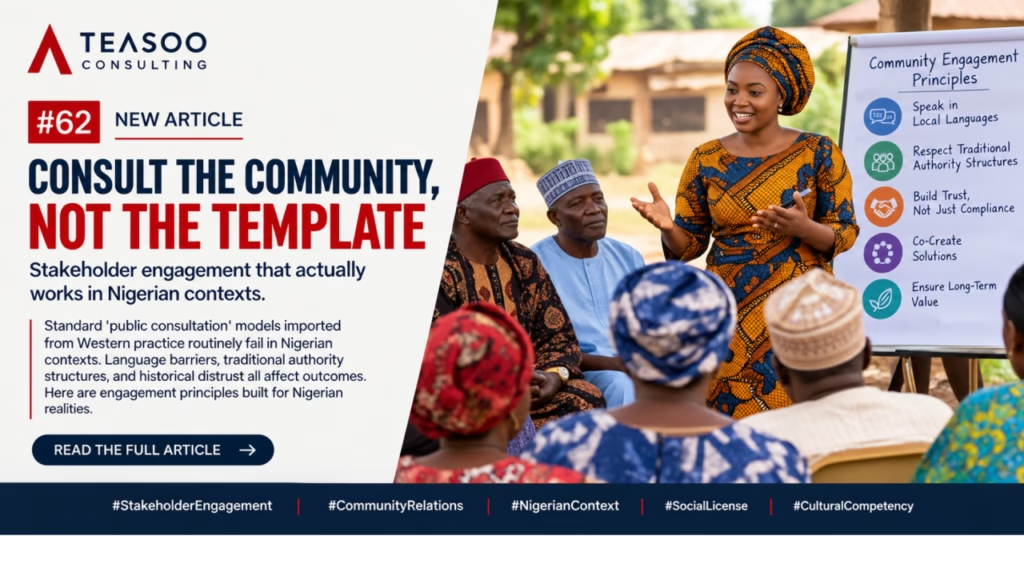
Effective stakeholder engagement in Nigerian communities requires cultural sensitivity, local protocols, inclusive consultation, and trust-building beyond corporate templates.
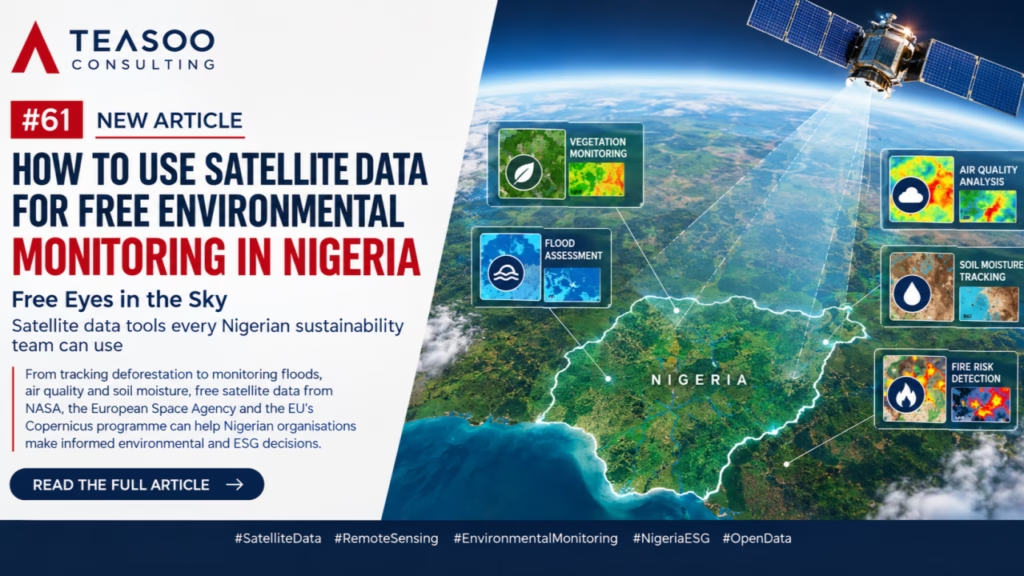
Learn how Nigerian sustainability teams can use free satellite data for vegetation, flood, air quality, soil moisture and environmental monitoring.
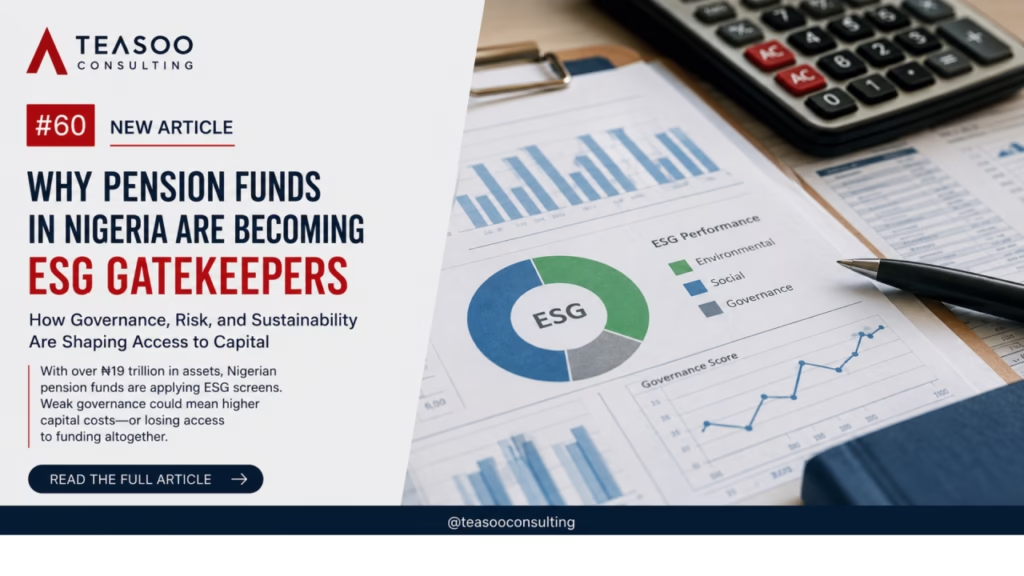
Nigerian pension funds are increasingly using ESG screens to assess companies, influencing governance expectations, investment decisions, and access to affordable capital.

Mangrove restoration can protect coastal assets, strengthen resilience, unlock blue-carbon credits, and create strategic ESG value for Nigerian businesses.
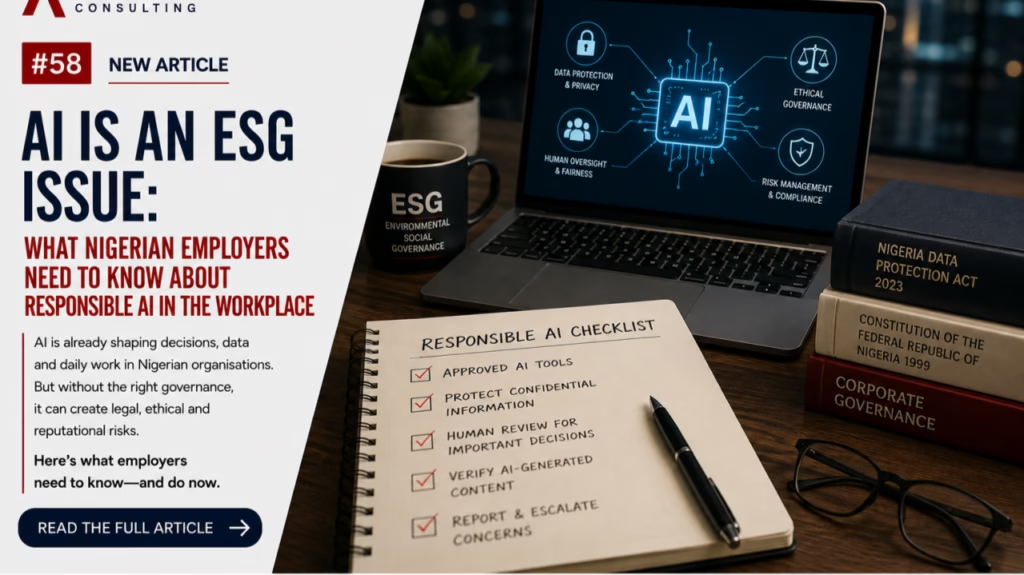
Learn why responsible AI is an ESG issue for Nigerian employers and how to manage AI risks across data protection, bias, cybersecurity and governance.
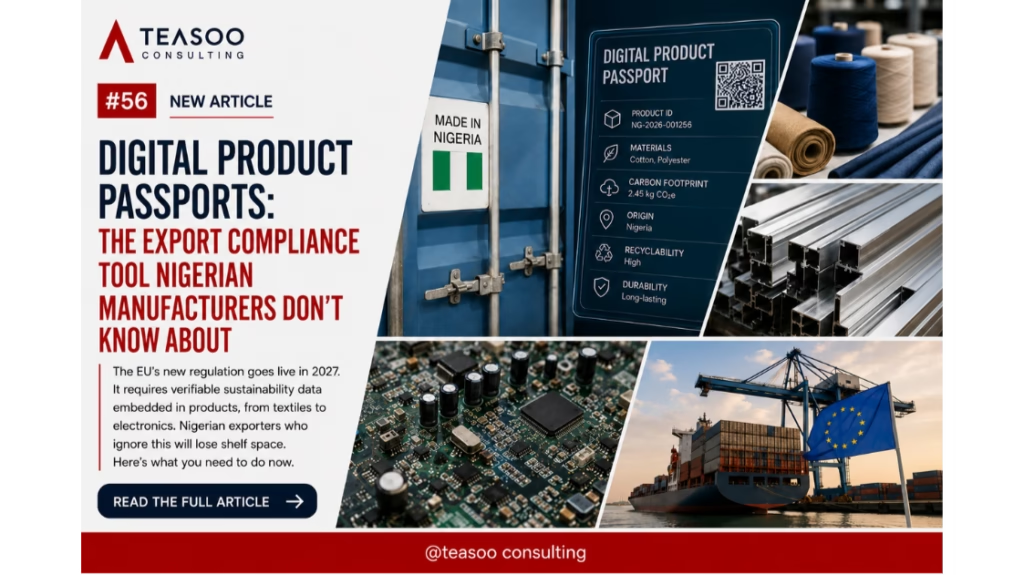
Digital Product Passports are reshaping EU export compliance. Learn how Nigerian manufacturers can prepare for new sustainability and traceability requirements.
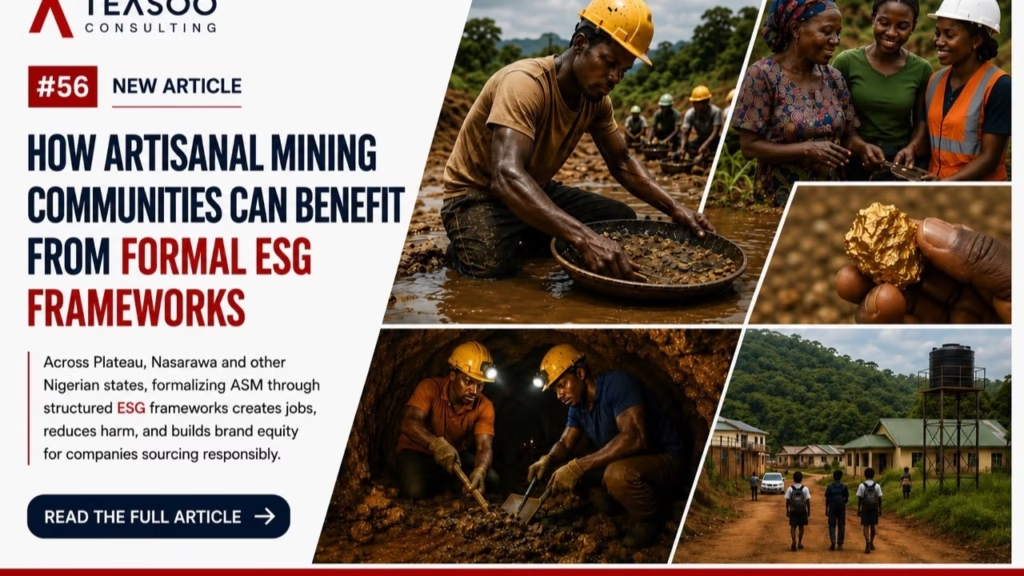
Learn how ESG frameworks can formalize artisanal mining in Nigeria, improving livelihoods, responsible sourcing, community development, and investment.
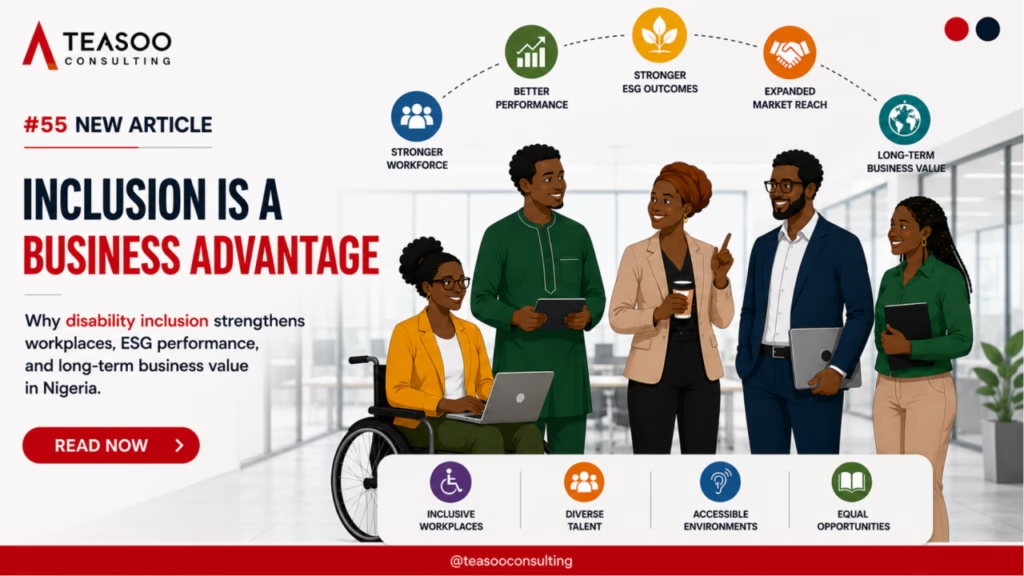
Discover why disability inclusion is a business advantage for Nigerian companies, strengthening ESG, attracting talent, improving performance, and driving growth.
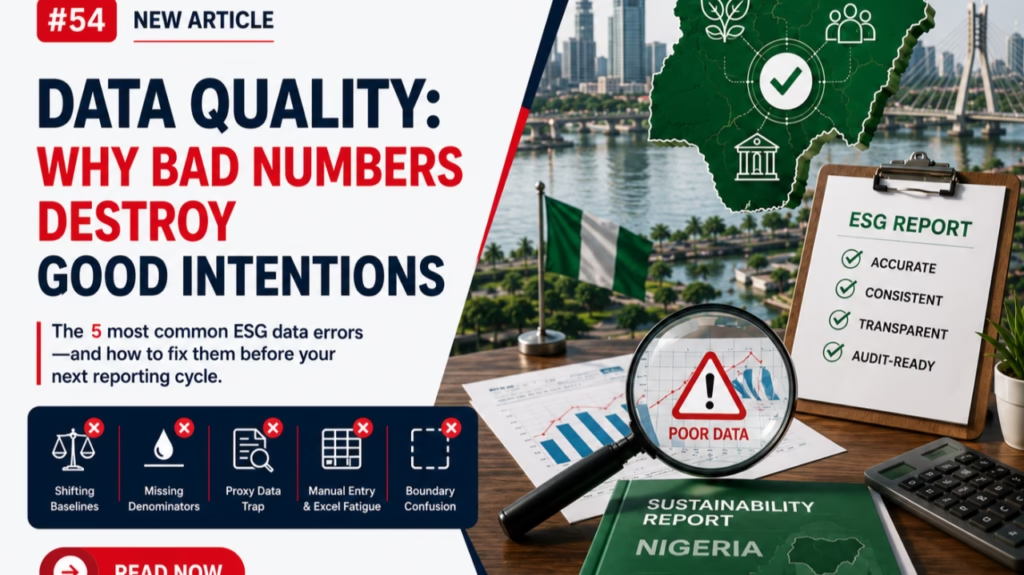
Poor ESG data can damage investor confidence and trigger greenwashing risks. Learn how to improve data quality and reporting accuracy.