In the world of sustainability, there is a dangerous misconception that “any data is better than no data.”
In reality, submitting ESG (Environmental, Social, and Governance) reports with inconsistent baselines, missing denominators, or “estimated” figures that lack a clear methodology is worse than submitting nothing at all. Why? Because poor data quality doesn’t just look messy—it triggers immediate red flags for auditors, scares off institutional investors, and exposes your organization to accusations of greenwashing.
At Teasoo Consulting, we are seeing a shift. Regulatory bodies—including the SEC in Nigeria and global frameworks like the ISSB—are moving beyond “voluntary disclosures” toward rigorous, audit-grade reporting. If your data doesn’t hold up under scrutiny, your sustainability strategy won’t either.
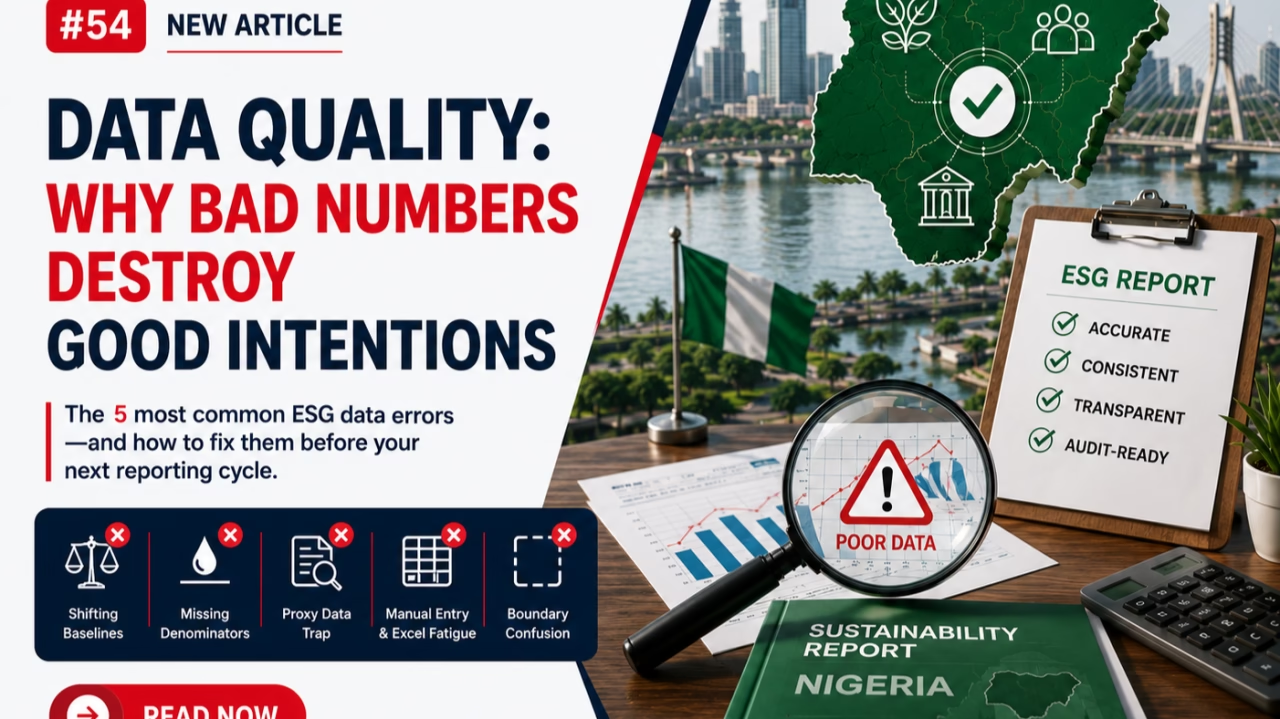
Here are the five most common ESG data errors we encounter and how to fix them before your next reporting cycle.
1. Shifting Baselines (Comparing Apples to Oranges)
The Error: A company reports a 20% reduction in carbon emissions, but fails to mention they sold off two major manufacturing plants during the year. The Risk: Without adjusting your baseline to reflect structural changes (mergers, acquisitions, or divestments), your “progress” is an accounting illusion. The Fix: Establish a clear Baseline Recalculation Policy. If your company structure changes significantly, recalculate your base year data to ensure you are measuring true operational improvement.
2. Missing Denominators (Intensity Metrics)
The Error: Reporting absolute numbers only. For example: “We used 1 million liters less water this year.” The Risk: Absolute numbers tell half the story. If your production volume dropped by 50%, a 10% reduction in water use actually means your efficiency worsened. The Fix: Always report Intensity Metrics. Divide your consumption by a denominator such as revenue, floor space, or units produced. This provides context and proves efficiency.
3. The “Proxy Data” Trap
The Error: Over-relying on industry averages or “spend-based” estimates for Scope 3 emissions instead of collecting actual data from suppliers. The Risk: Proxies are fine for a first-year report, but if you rely on them long-term, you cannot track the impact of your actual carbon-reduction initiatives. The Fix: Move toward Primary Data. Start engaging your top 20% of suppliers to provide actual energy and emissions data rather than relying on generic industry estimates.
4. Manual Entry & “Excel Fatigue”
The Error: Managing complex ESG data across multiple departments using disconnected spreadsheets and manual copy-pasting. The Risk: Human error is the leading cause of data restatements. One misplaced decimal point in a methane leakage report can lead to massive reputational damage. The Fix: Implement Data Governance. Use centralized digital tools or dedicated ESG software that offers an audit trail, showing exactly who entered which number and when.
5. Boundary Confusion
The Error: Being inconsistent about which subsidiaries, joint ventures, or leased assets are included in the report. The Risk: Investors look for “Organizational Boundaries.” If you include a subsidiary’s social initiatives but exclude their environmental footprint, it looks like cherry-picking. The Fix: Clearly define your Reporting Boundary (e.g., Financial Control vs. Operational Control) in the methodology section of your report and stick to it across all metrics.
The Bottom Line
Sustainability is no longer a marketing exercise; it is a financial and operational discipline. High-quality data is the bridge between “intent” and “impact.” When your numbers are accurate, consistent, and transparent, you build the trust necessary to attract capital and drive long-term value.
Is your data audit-ready?
At Teasoo Consulting, we help organizations across Nigeria and beyond bridge the gap between complex data collection and world-class sustainability reporting. Let’s ensure your next report stands up to the toughest scrutiny.
Contact us today to review your ESG data framework
#ESGData #DataQuality #Reporting #SustainabilityMetrics #NigeriaESG #TeasooConsulting #CorporateGovernance #YourPartnerForSuccess