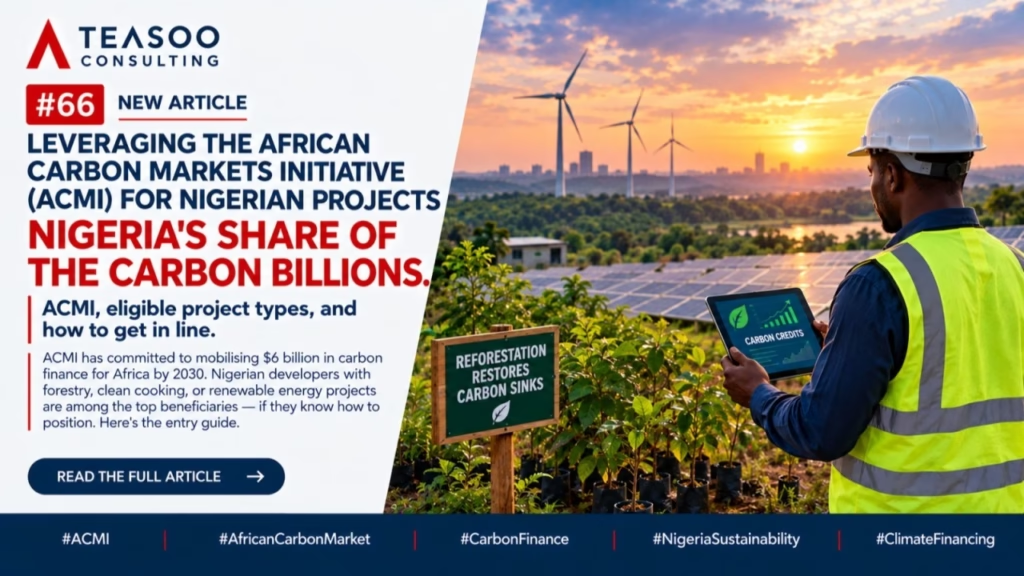
Leveraging the Africa Carbon Markets Initiative (ACMI) for Nigerian Projects
Discover how Nigerian carbon project developers can leverage ACMI for market visibility, investment opportunities, regulatory compliance, and high-integrity carbon credits.

Discover how Nigerian carbon project developers can leverage ACMI for market visibility, investment opportunities, regulatory compliance, and high-integrity carbon credits.
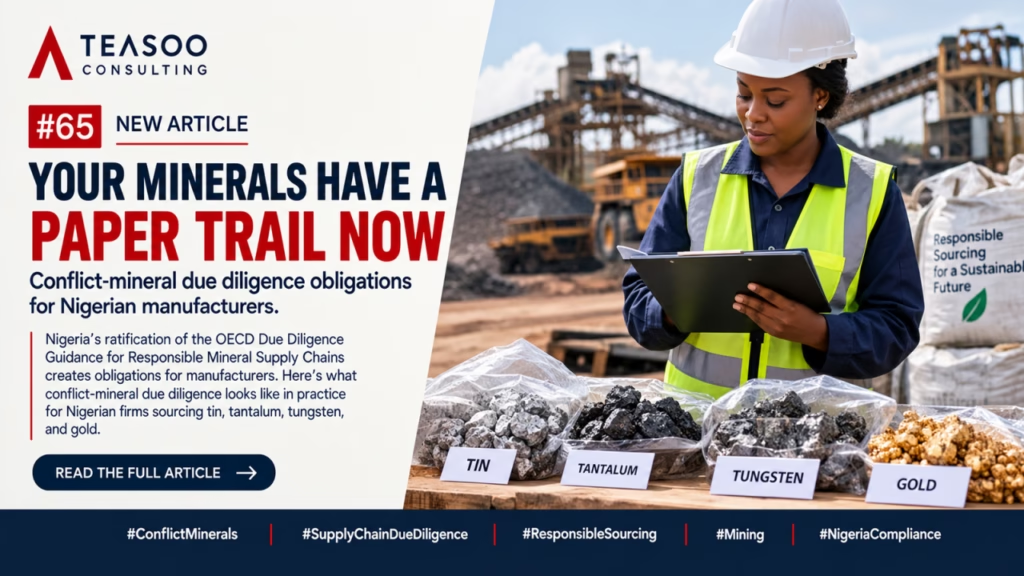
Learn how Nigerian manufacturers can manage conflict minerals risks through responsible sourcing, supply chain traceability, OECD due diligence, and ESG compliance.
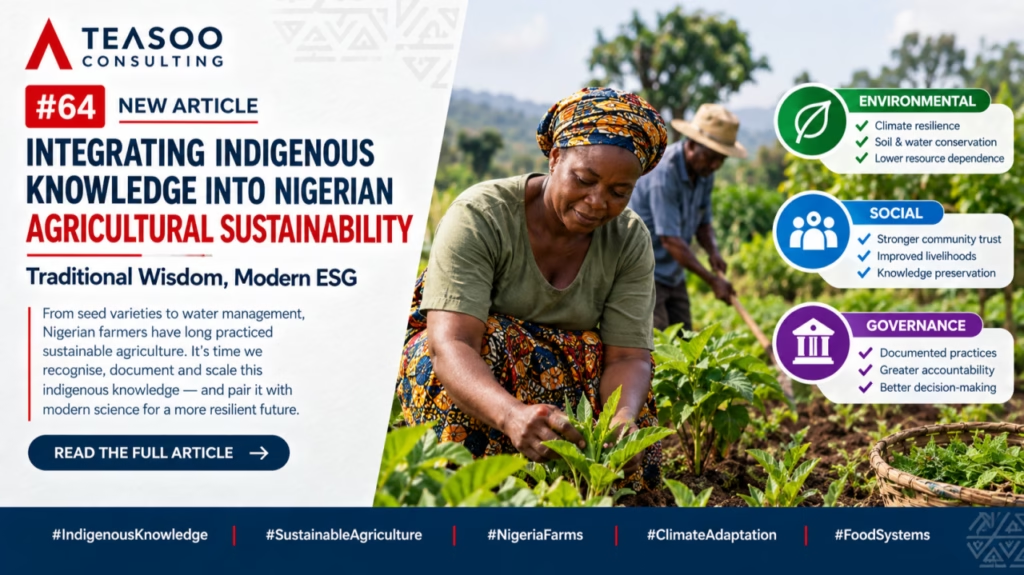
Explore how indigenous agricultural knowledge can strengthen ESG, climate resilience, soil health, water management, and sustainable farming in Nigeria.

Nigeria’s energy transition is a business transition, affecting costs, competitiveness, ESG, energy reliability, capital access, and inclusion.

Effective stakeholder engagement in Nigerian communities requires cultural sensitivity, local protocols, inclusive consultation, and trust-building beyond corporate templates.
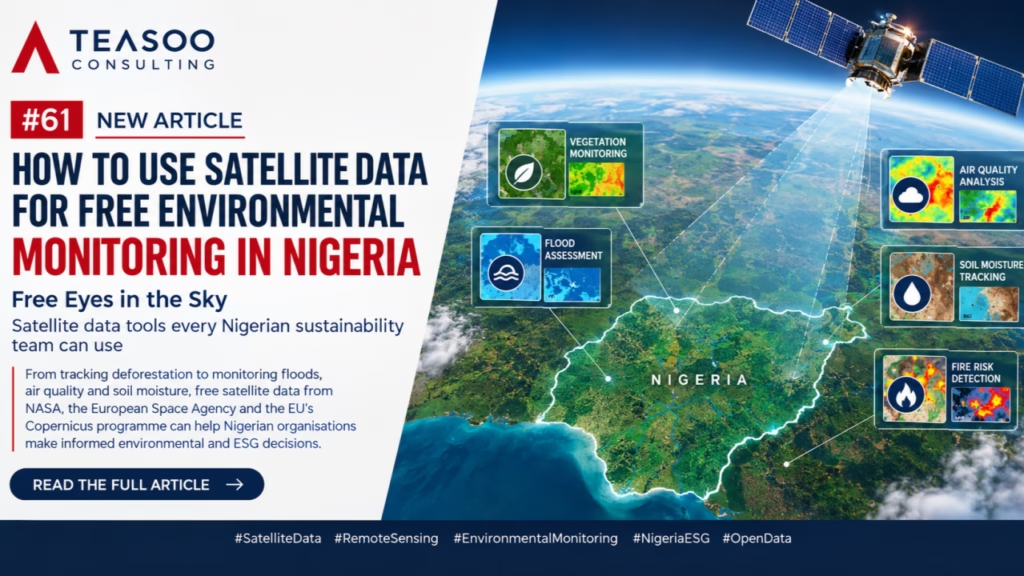
Learn how Nigerian sustainability teams can use free satellite data for vegetation, flood, air quality, soil moisture and environmental monitoring.
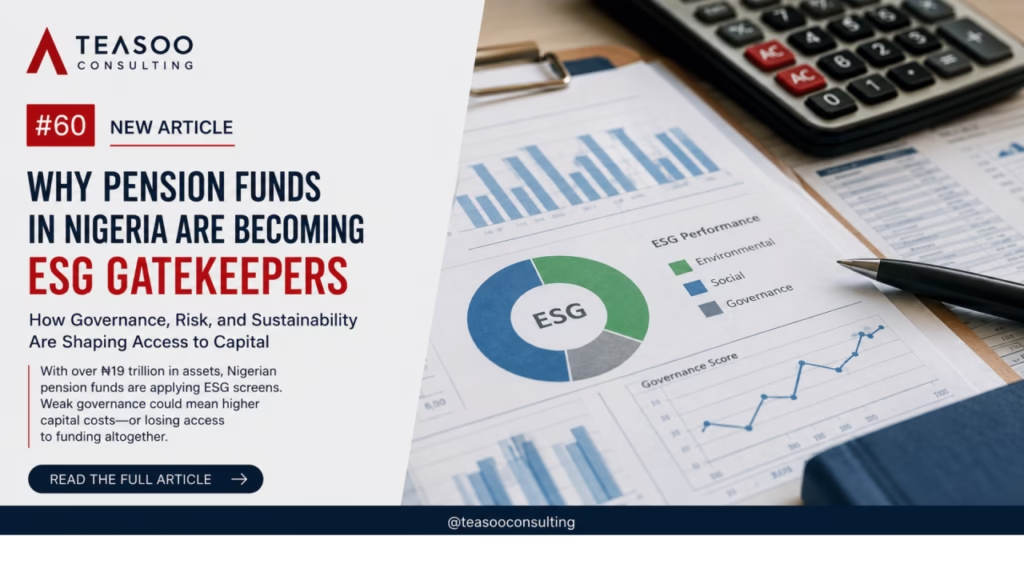
Nigerian pension funds are increasingly using ESG screens to assess companies, influencing governance expectations, investment decisions, and access to affordable capital.

Mangrove restoration can protect coastal assets, strengthen resilience, unlock blue-carbon credits, and create strategic ESG value for Nigerian businesses.

Learn why responsible AI is an ESG issue for Nigerian employers and how to manage AI risks across data protection, bias, cybersecurity and governance.
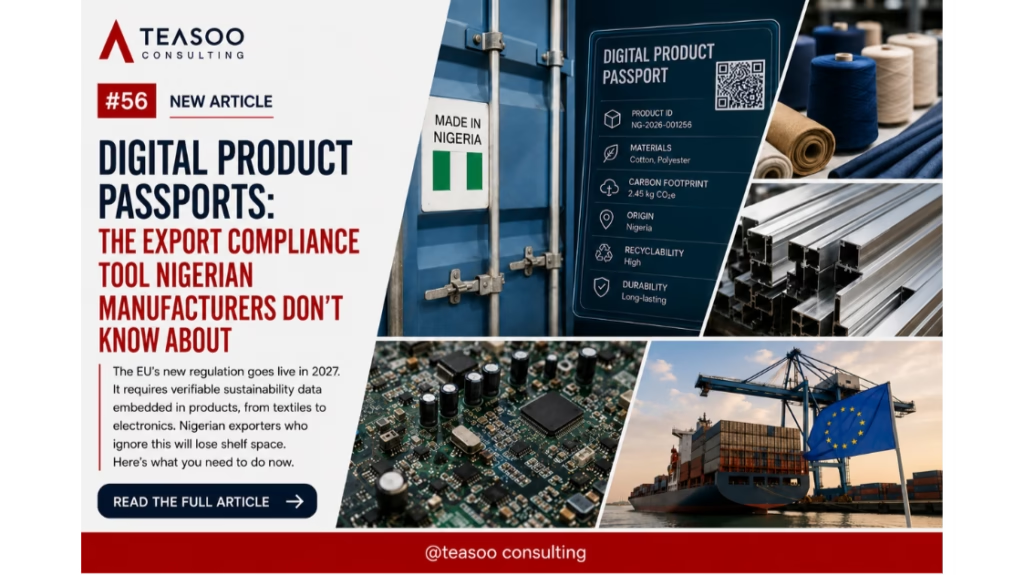
Digital Product Passports are reshaping EU export compliance. Learn how Nigerian manufacturers can prepare for new sustainability and traceability requirements.